Car Key Replacement by Vehicle Brand — What Makes Each One Different
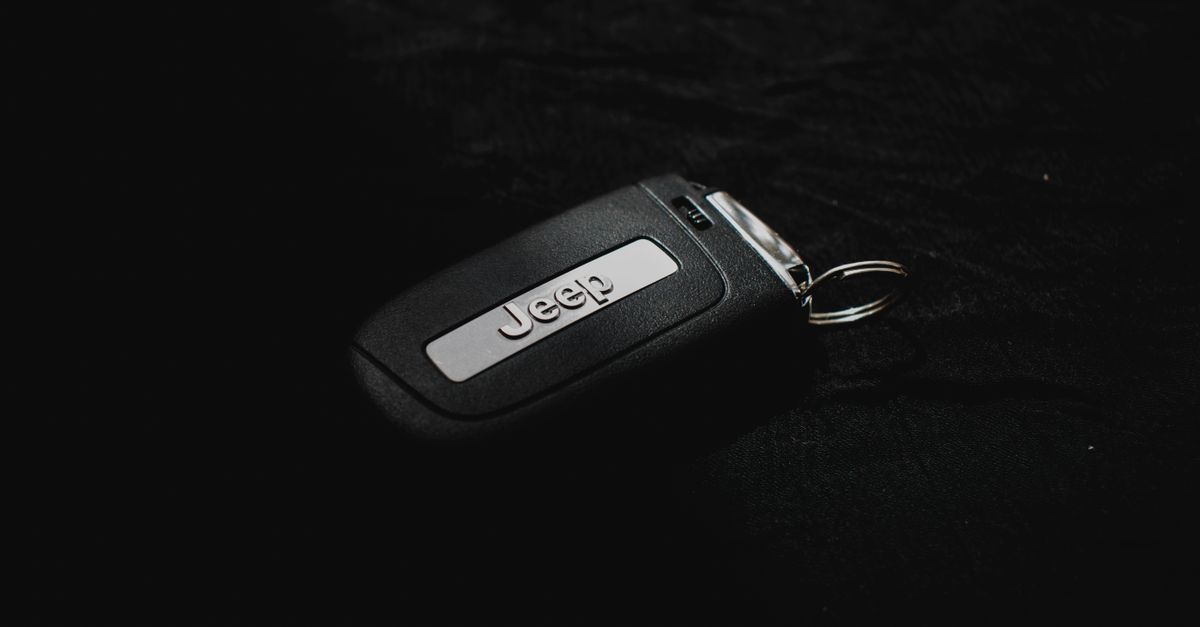
Not all replacement keys are created equal, and the process differs significantly depending on the brand sitting in your driveway. Ford and GM vehicles — F-150s, Silverados, Equinoxes, and Explorers are among the most common calls we receive across the Charlotte area — typically use either PATS transponder chips or newer 80-bit encrypted systems. Our technicians use OBD-level programming tools to clone or generate a fresh key code without removing the ignition cylinder, keeping the job clean and damage-free. Toyota and Honda keys, including smart-entry fobs for Camrys and CR-Vs, require brand-specific seed-key algorithms, which our equipment handles on site. German brands such as BMW, Mercedes-Benz, and Volkswagen use proximity keys with rolling security codes that must be freshly paired to the vehicle's ECU — a job that demands professional-grade software, not a generic copy machine.
Luxury and high-security vehicles from Lexus, Audi, Cadillac, and Land Rover add additional layers: some require a dealer-side authorization code that our technicians know how to navigate through proper ownership verification before any programming begins. If you drive a newer Hyundai or Kia — both enormously popular in the University City and Concord Mills corridors — the flip-key and smart-fob designs we stock let us deliver a fully functional replacement on the same visit. No matter the brand, every job starts with confirming your identity and ownership, then we give you a transparent, up-front quote that accounts for the specific parts your vehicle requires, the time of day, and how far we've traveled to reach you.